
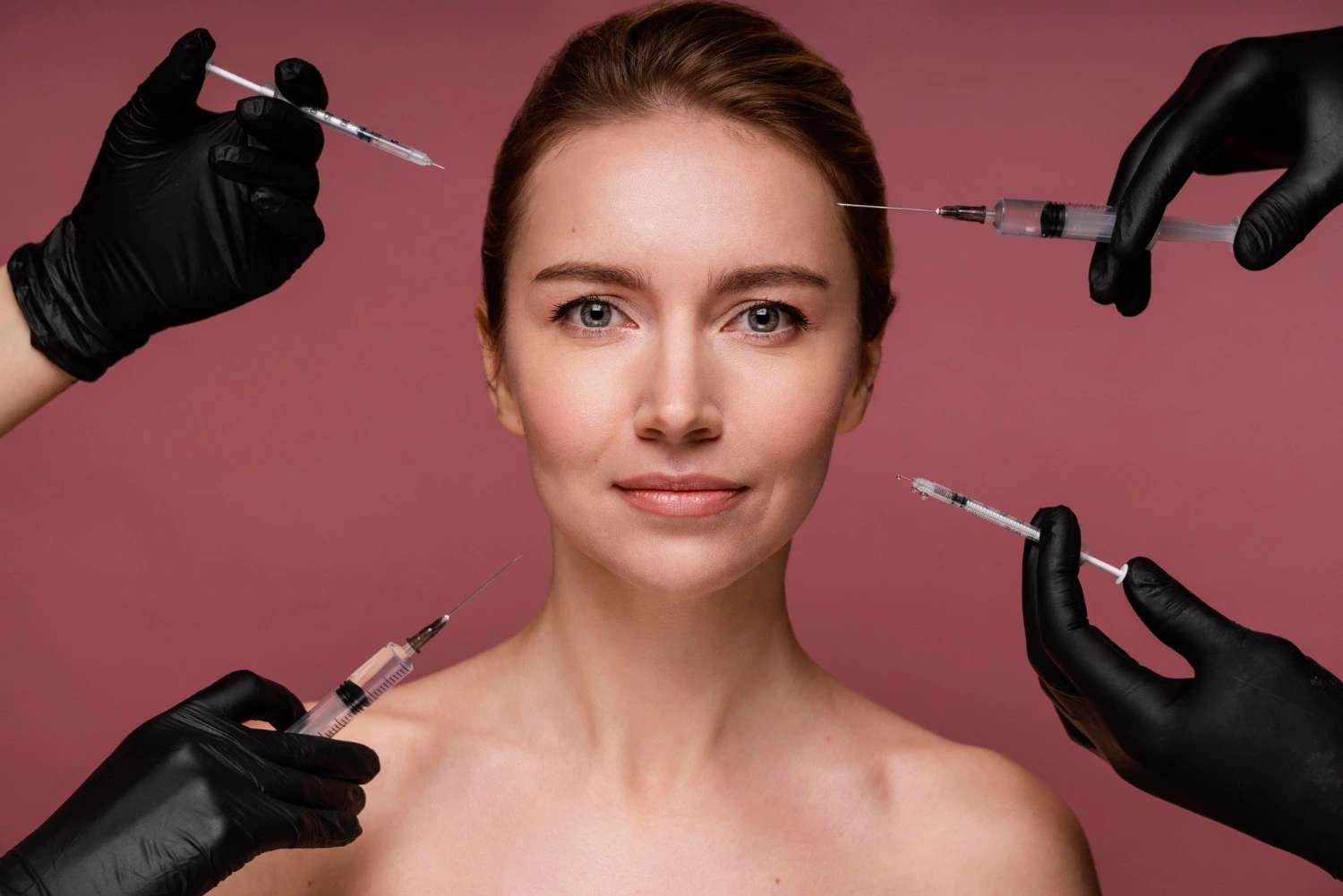
When it comes to non-surgical facial rejuvenation, Botox and Dysport are two of the most popular options for reducing the appearance of fine lines and wrinkles. While both are neuromodulators that work to relax muscles, there are subtle differences that can affect how each is used and what results patients can expect. Knowing the distinctions between Botox and Dysport can help you make an informed decision about which treatment may be right for you.
What Are Botox and Dysport?
Botox and Dysport are both botulinum toxin type A treatments that temporarily relax facial muscles to smooth wrinkles. They are FDA-approved for aesthetic use and share many similarities in safety and effectiveness.
How They Work
Both Botox and Dysport target overactive muscles that cause dynamic wrinkles—those that appear when you frown, smile, or squint. By inhibiting muscle contractions, these treatments soften the appearance of lines while allowing natural facial expressions to remain.
Key Differences Between Botox and Dysport
Onset of Results
- Dysport: Some patients notice improvements within 24–48 hours, with full results around 2–3 days.
- Botox: Results generally appear within 3–7 days, with full effect at about two weeks.
Diffusion and Spread
- Dysport tends to diffuse slightly more than Botox, which may make it ideal for larger areas like the forehead.
- Botox is more precise, making it suitable for targeted areas such as crow’s feet or glabellar lines between the eyebrows.
Units and Dosing
- Botox and Dysport use different units, so dosing is not interchangeable. Your provider will determine the appropriate amount based on your facial anatomy and treatment goals.
Common Uses for Botox and Dysport
Frown Lines (Glabellar Lines)
Both treatments are highly effective for reducing vertical lines between the eyebrows that form from repeated frowning.
Forehead Lines
Dysport’s ability to diffuse over a slightly larger area can be beneficial for smoothing horizontal forehead lines, while Botox provides precise control for smaller regions.
Crow’s Feet
Both Botox and Dysport can soften fine lines around the eyes, helping patients achieve a more youthful, refreshed appearance.
Other Uses
In addition to cosmetic purposes, both treatments can also be used for medical concerns such as:
- Excessive sweating (hyperhidrosis)
- Migraine prevention
- Jaw tension or teeth grinding (bruxism)
Who Is a Good Candidate?
Most healthy adults who are looking to reduce dynamic wrinkles are candidates for Botox or Dysport. Ideal candidates:
- Are in good overall health
- Have realistic expectations for results
- Do not have neuromuscular disorders or certain allergies
A consultation with an experienced provider at Laureate Aesthetic Med Spa can determine which neuromodulator is most suitable for your goals and facial anatomy.
What to Expect During and After Treatment
Treatment Process
- The procedure is minimally invasive, involving a few small injections per treatment area.
- Topical numbing or ice may be applied for comfort.
- Most sessions take 15–30 minutes.
Recovery and Results
- Minimal downtime is needed; patients can typically resume normal activities immediately.
- Avoid rubbing the treated areas for 24 hours.
- Results last 3–6 months, depending on the product and individual metabolism.
Conclusion
Botox and Dysport are both safe and effective options for reducing dynamic facial wrinkles. While Botox offers precise control for targeted areas, Dysport may provide faster results and is ideal for broader regions like the forehead. Both treatments can improve appearance, restore confidence, and in some cases, offer therapeutic benefits such as reducing migraines or jaw tension. Consulting with a qualified provider ensures the right treatment choice and a personalized approach for natural-looking results.
FAQ
What is the main difference between Botox and Dysport?
The key differences are in diffusion, onset of results, and dosing units. Dysport spreads slightly more and may work faster, while Botox is precise and ideal for targeted areas.
How long do Botox and Dysport last?
Both typically last 3–6 months, though individual results may vary.
Can Botox or Dysport treat medical conditions?
Yes, both can be used for hyperhidrosis, migraine prevention, and jaw tension or teeth grinding.
Does it hurt?
Most patients experience minimal discomfort, similar to a small pinch. Ice or topical numbing can be used to improve comfort.
How do I know which is right for me?
A consultation with a qualified provider will assess your facial anatomy, skin type, and goals to recommend the best treatment.